“As the school grows, we enhance our programmes and support to help students build skills, knowledge, and clear pathways to university. Our graduates have continued their studies at universities in the UK, Australia, and Canada. For more information, please contact us or book an appointment with our admissions team to explore how our programmes can support your future.”
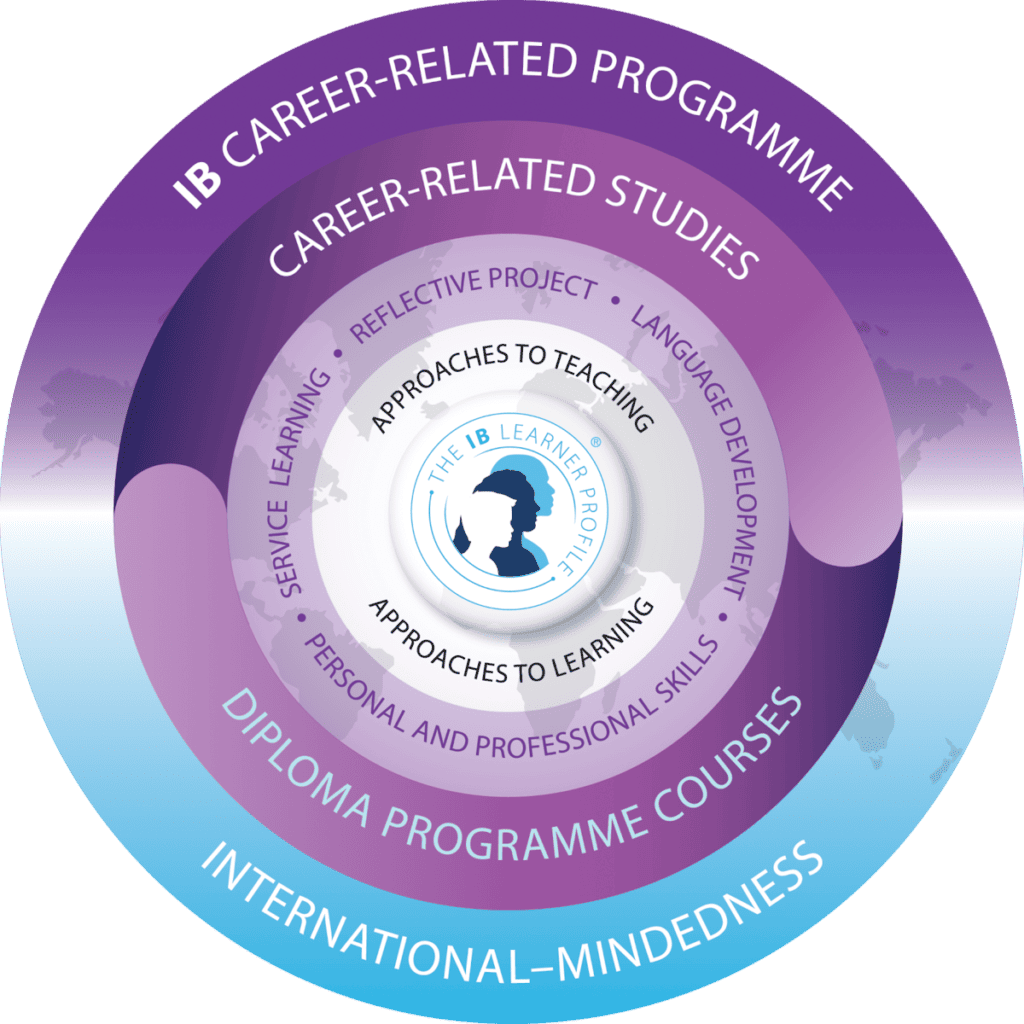
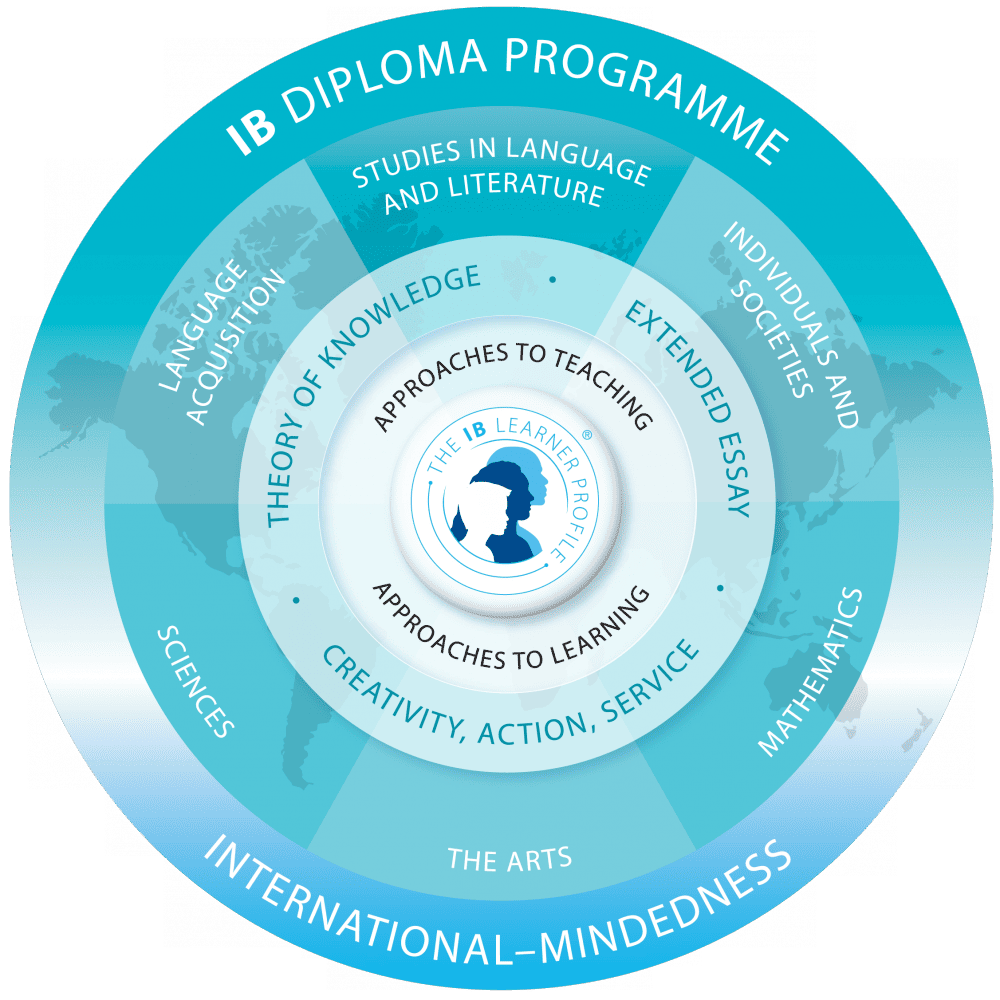
IBDP & IBCP Framework

IB Learner
Central to all IB programmes, the IB Learner Profile presents the educational mission of IB as a set of learner or graduate attributes that are important for life and learning in the 21st century.
SIS students can progress smoothly from Grade 10 into IBDP due to the IB Learner Profile attributes aligning well with Ontario’s high school curriculum expectations, thus shortening their secondary pathway or duration of study toward an IB Diploma qualification.
IB Learner Profile
- Inquirers
- Knowledgeable
- Thinkers
- Communicators
- Principled
- Open-minded
- Caring
- Risk-takers
- Balanced
- Reflective
IBDP Development Focus
Breadth and Depth of Knowledge
Students develop breadth and depth of knowledge in six subject groups alongside developing research, independent study, and time-management skills. These aspects of the IBDP provide students with a strong foundation for success in higher level studies, and cause universities across the world to welcome IBDP graduates.
Functional Fluency in Two Languages
Students develop functional fluency in at least two languages. This enables IBDP graduates to have deeper appreciation and understanding of other cultures, including their own. This aspect develops students’ international mindedness and global awareness to a level not commonly found in other pre-university programmes.
Critical, Open-Minded Thinkers
Students become knowledgeable, inquiring, critically thinking yet open-minded individuals who embrace creative, inter-disciplinary and multi-disciplinary approaches in knowledge building and problem solving. These attributes help students excel not only in higher level studies but also in future careers and enterprise.
All-Round Academic & Personal Development
Students develop thinking and academic writing skills, participate in community service, and pursue personal interest areas. These collectively contribute to their all-round academic and personal development.
IBDP Outcomes
Many researches have shown that IBDP students are more likely to succeed in higher education than their peers from other education systems. Our students have consistently achieved above world average IBDP results and are accepted into top-tier universities around the world.
Subjects - IBDP
The IBDP comprises six subject groups and additional requirements known as the core elements; the latter distinguish the IBDP from all other educational programmes. Within each of the six subject groups, SIS offers a few course options to cater for students’ interests and needs.
| Studies in Language and Literature |
|
|---|---|
| Language Acquisition |
|
| Individuals and Societies |
|
| Sciences |
|
| Mathematics |
|
| The Arts |
|
Core Components - IBDP
Theory of Knowledge (TOK)
TOK is central to the philosophy of the IB Diploma Programme. It offers students the opportunity to reflect critically on diverse ways of knowing and to consider the role of knowledge in their culture and the culture of others. It encourages the stimulation of critical awareness of bases of knowledge, experiences, and judgment in human thought and creativity.
Extended Essay (EE)
Universities attach great importance to the Extended Essay because it provides practical preparation for undergraduate research and academic writing that are required in higher education. Each student is required to select and investigate a topic of special interest and then write a 4000 word essay. An emphasis is also placed on the research process, personal engagement in the exploration of the topic, and the development and communication of ideas.
Creativity, Activity, Service (CAS)
Designed to complement the academic rigours of the IBDP and universities, it is attached to great importance to students’ participation in CAS. Students must demonstrate a continuous engagement in extra-curricular, evenly balanced creative, athletic, and community service activities.
Subjects - IBCP
The IBCP combines career-related studies with a minimum of two Diploma Programme courses, along with the CP core elements that distinguish it from other educational programmes. At SIS, students can choose from different course options within their career-related studies to suit their interests and future pathways.
| Academic Courses from the IB | Students complete at least two DP |
|---|---|
| Diploma Programme (DP) | courses in any of the subject groups:
CP students should choose DP courses that are relevant to their career-related studies. DP courses provide and enhance the theoretical underpinnings and academic rigour of the CP. |
| Career-related Studies (External Accreditation by OTHM) |
|
| Career-related Study Components |
|
Core Components - IBCP
Personal and Professional Skills
This course helps students develop the attitudes, strategies, and transferable skills needed to succeed in both personal and professional contexts. The focus is on building workplace-ready skills that can be applied across a wide range of real-life situations.
Language Development
All IBCP students take part in a second language programme, strengthening their ability to communicate in more than one language. This not only supports the IB’s vision of international education but also deepens students’ global awareness and cultural understanding.
Reflective Project
The reflective project is a sustained, in-depth piece of work completed over time and submitted towards the end of the CP. Students explore and critically evaluate an ethical issue related to their chosen career-related studies, developing advanced research, writing, and communication skills, as well as creativity and intellectual curiosity.
Service Learning
Service learning combines classroom knowledge with meaningful community engagement. Students identify authentic needs and design service initiatives, applying problem-solving, decision-making, and leadership skills while taking responsibility for their actions and impact.
Assessments
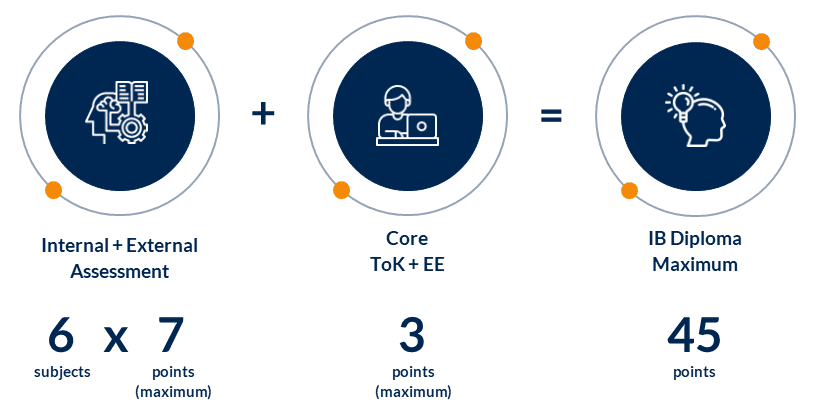
The IB assesses student work as direct evidence of achievement against the stated goals of the CP and DP courses. In addition to academic skills, CP and DP assessment encourages an international outlook and intercultural skills, wherever appropriate. The IBCP and IBDP also employ both internal and external assessments.
Teachers will assess every student’s work which can include projects, independent research, analysis, writing, and so on. Teachers will offer guidance, as appropriate, but internal assessments are still marked externally by the IB. Teacher assessments happen in most courses, and they include:
- Oral work in languages
- Laboratory work in the sciences
- Investigations in mathematics
- Artistic performances (if relevant to course)
- Fieldwork (if relevant to course)
Examinations form the basis of assessment for most courses because of their high levels of objectivity and reliability. They include:
- Essays
- Structured problems
- Data-response questions
- Text-response questions
- Case-study questions
- Multiple-choice questions
IBDP and IBCP students at SIS will take their final examinations at the end of Year 2 during the October/November examinations. As required by IB, SIS students will take the same exam papers as the rest of the world which will be marked by the same external marking team worldwide.

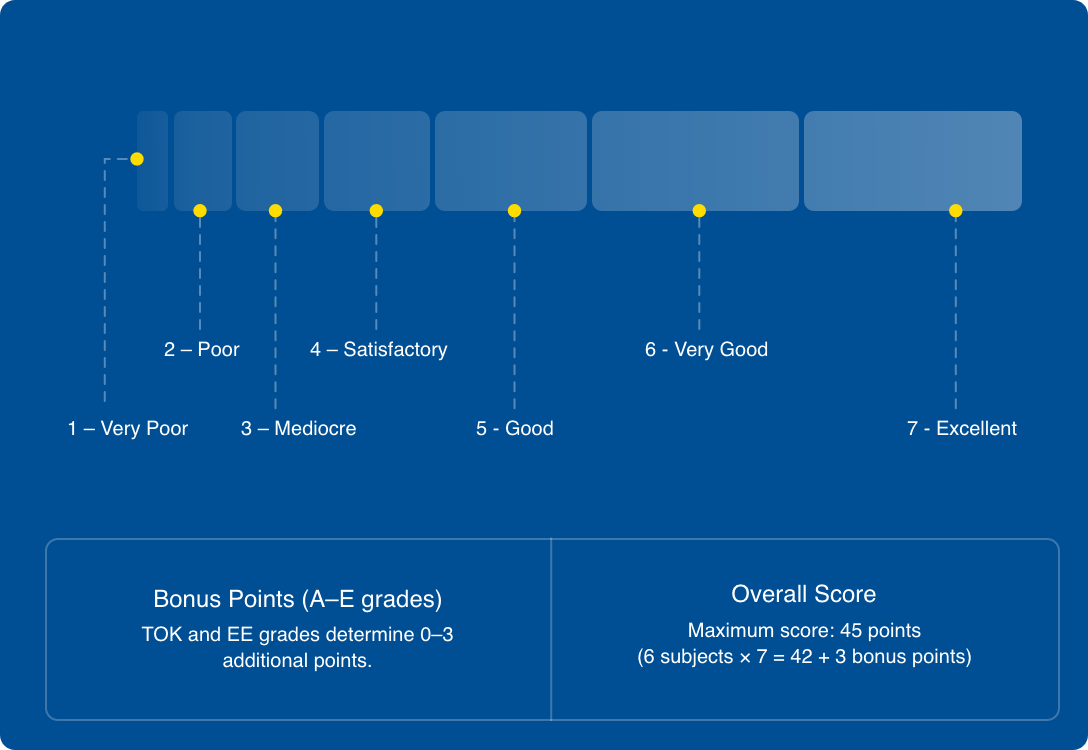
Grading System

School Hours
IBDP Years 1 & 2
| Monday to Thursday | 8:00 am to 3:15 pm |
|---|---|
| Friday | 8:00 am to 12:00 pm |
Beyond IBDP
The IBDP enables students to develop strong intellectual and interpersonal skills. Their engagement with the programme goes beyond exam preparation. Throughout the IBDP, students develop abilities for research, reflection, communication, collaboration, persuasion, presentation, discussion, debate, and more.
When planning university pathways, SIS’s IBDP coordinator and guidance teachers are available to support students. Many IBDP students are confident in their chosen fields, having developed strong skills in independent research, reflection, analysis, and decision-making.
IBDP Teachers
As an IB World School, SIS teachers are IB trained and attend regular professional development workshops and online courses that are continually offered by the IB. At SIS, IBDP teachers work collaboratively with one another and with their students whom they know well. The collective outcome of teachers’ combined efforts and support to students is students’ increased motivation to better themselves and achieve the best scores possible.
Extra-Curricular Activities
| Monday to Thursday | 3:30 pm to 5:30 pm |
|---|---|
| Friday | After 12:00 pm |