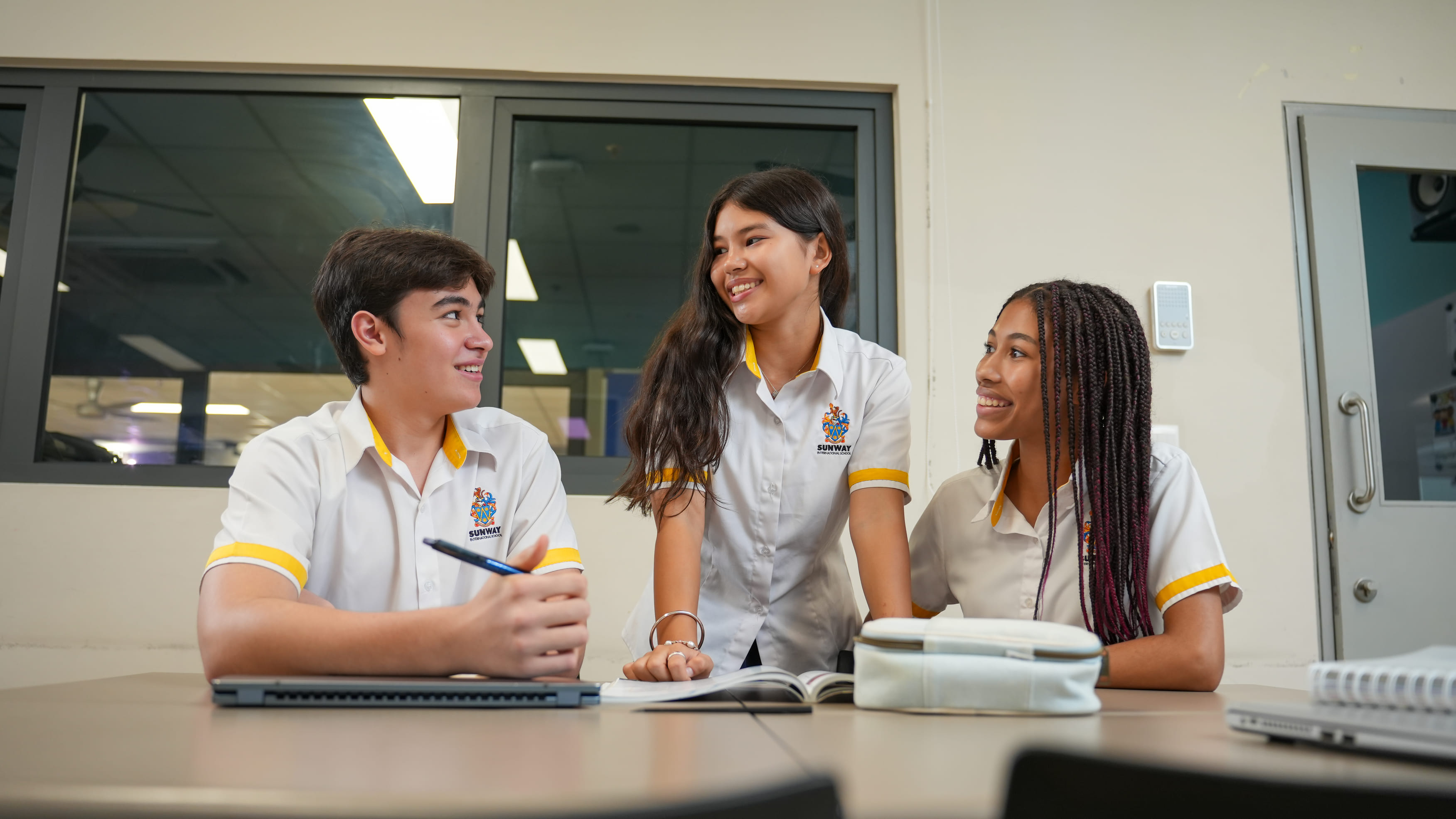



CANADIAN (ONTARIO) SCHOOL CURRICULUM
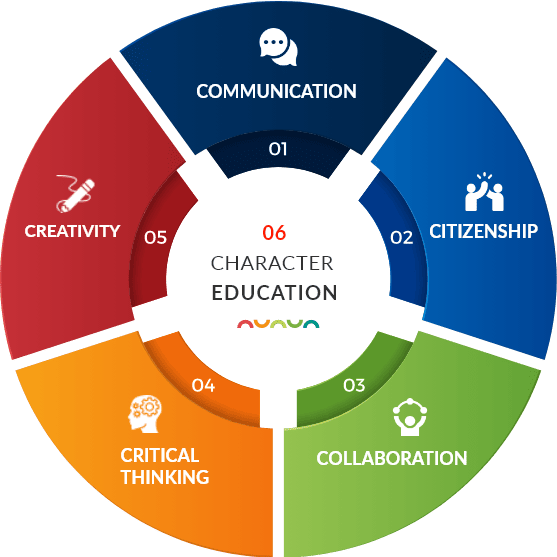
SIS ensures the Canadian school curriculum encompasses all aspects of the 6Cs for education. This includes critical thinking, creativity and innovation, collaboration, communication, character (self-directed learning), and citizenship, which are essential competencies identified by the Canadians for success in the 21st century.
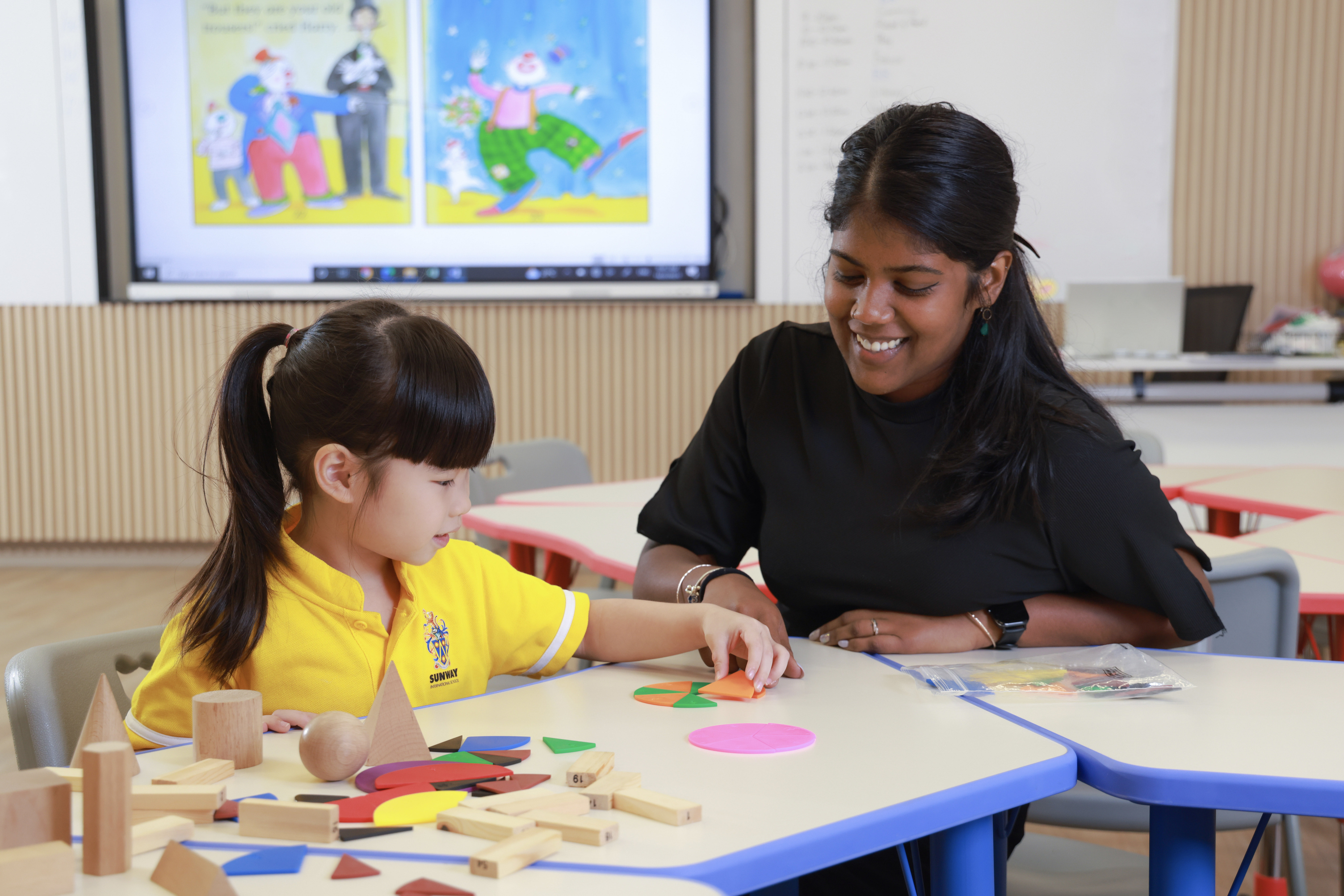


CAMBRIDGE INTERNATIONAL PROGRAMME CURRICULUM
The Cambridge International Programme curriculum is focused on the 5 Learner Attributes; confident, responsible, reflective, innovative and engaged. These skills help our students take ownership of their learning, prepare them for new and future challenges, and participle constructively in society and the economy.
IB WORLD SCHOOL CURRICULUM
As an IB World School, SIS guides students on becoming responsible members of local, national and global communities by developing their IB Learner Profile attributes. We support students to be inquirers, knowledgeable, thinkers, communicators, principled, open-minded, caring, risk-takers, balanced and reflective. These similarities between Canadian’s 6Cs and IB’s Learner Profile strengthens our students’ relevance to the ever-evolving world we live in.
Flexible Progression
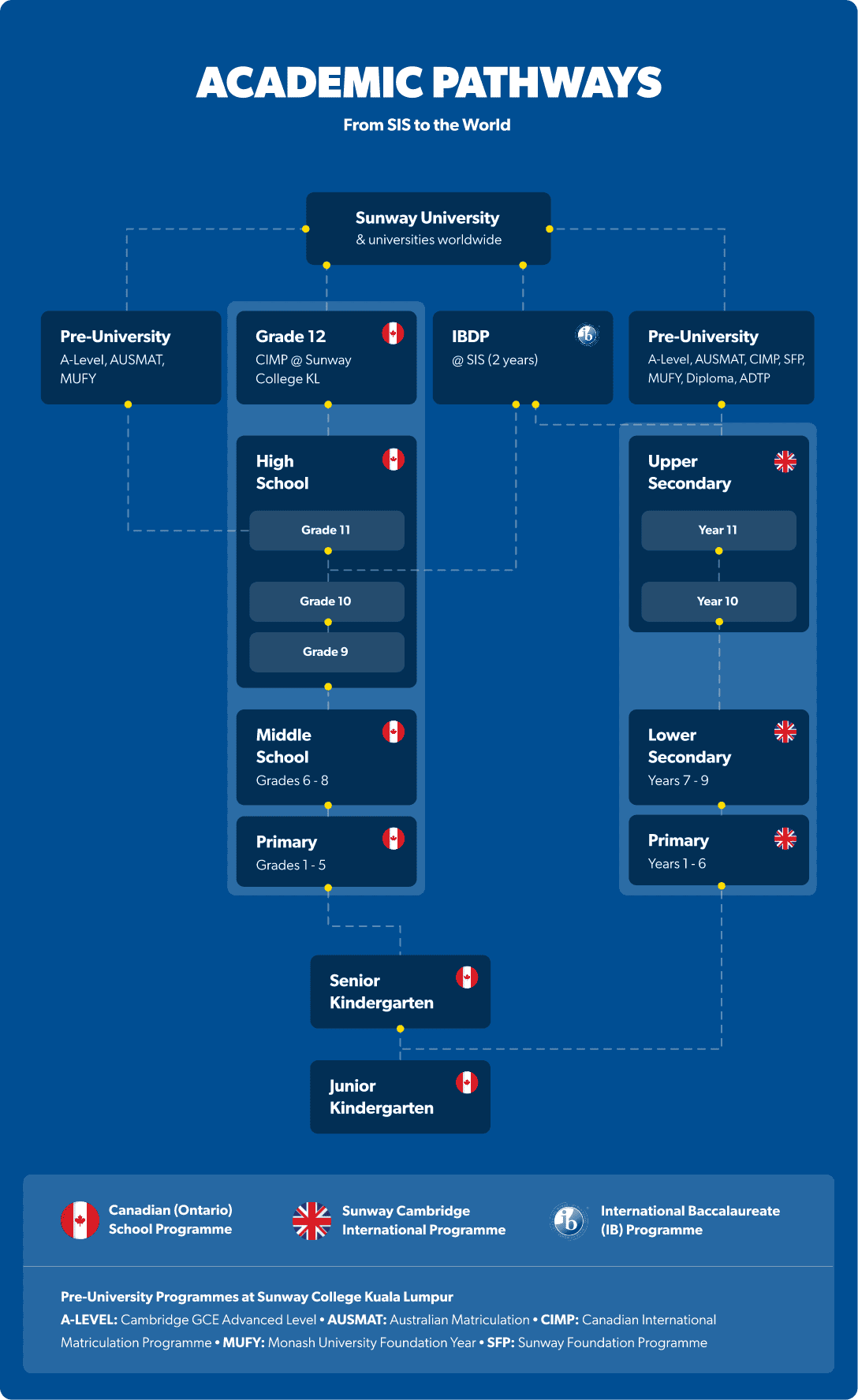
Pathways
Global Competencies
As educators, we want to equip students with skills relevant to the 21st century. We achieve that by integrating the six Global Competencies into our teaching and learning – we call them the six Cs (6Cs).
As demonstrated by our experienced teachers in SIS, the 6Cs becomes the guiding principles for all our lesson planning while we actively encourage in both our students and the SIS Community.
These skills are not abstract skills but tangible and transferable skills that position our graduates for successful careers anywhere in the world.
Assessment & Evaluation Approaches
Embedded in the SIS learning culture is the foundational approach of Growing Success – 7 fundamental principles and 6 Learning Skills and Work Habits outlined by the Ontario Schools that help student achieve their curriculum expectations and improve their academic results.
Responsibility
Organisation

Independent Work
Collaboration
Initiative
Self-Regulation
Seven Fundamental Principles
Based on the Principles for Fair Student Assessment Practices for Education in Canada, developed by the Joint Advisory Committee, Centre for Research in Applied Measurement and Evaluation, at the University of Alberta, our 7 fundamental principles becomes the central to all assessment, evaluation and reporting policies and practices for Ontario schools.
Learning Skills & Work Habits
The 6 Learning Skills and Work Habits help our students to:
- Understand the concepts related to lifelong learning, interpersonal relationships (including responsible citizenship), and career planning;
- Develop learning skills, social skills, a sense of social responsibility, and the ability to formulate and pursue educational and career goals
- Apply this learning to their lives and work in the school and the community.
These skills and habits may be an integral part of the student’s learning, but the assessment, evaluation and reporting on the demonstration of these skills and habits are executed separately.
The SIS Classroom
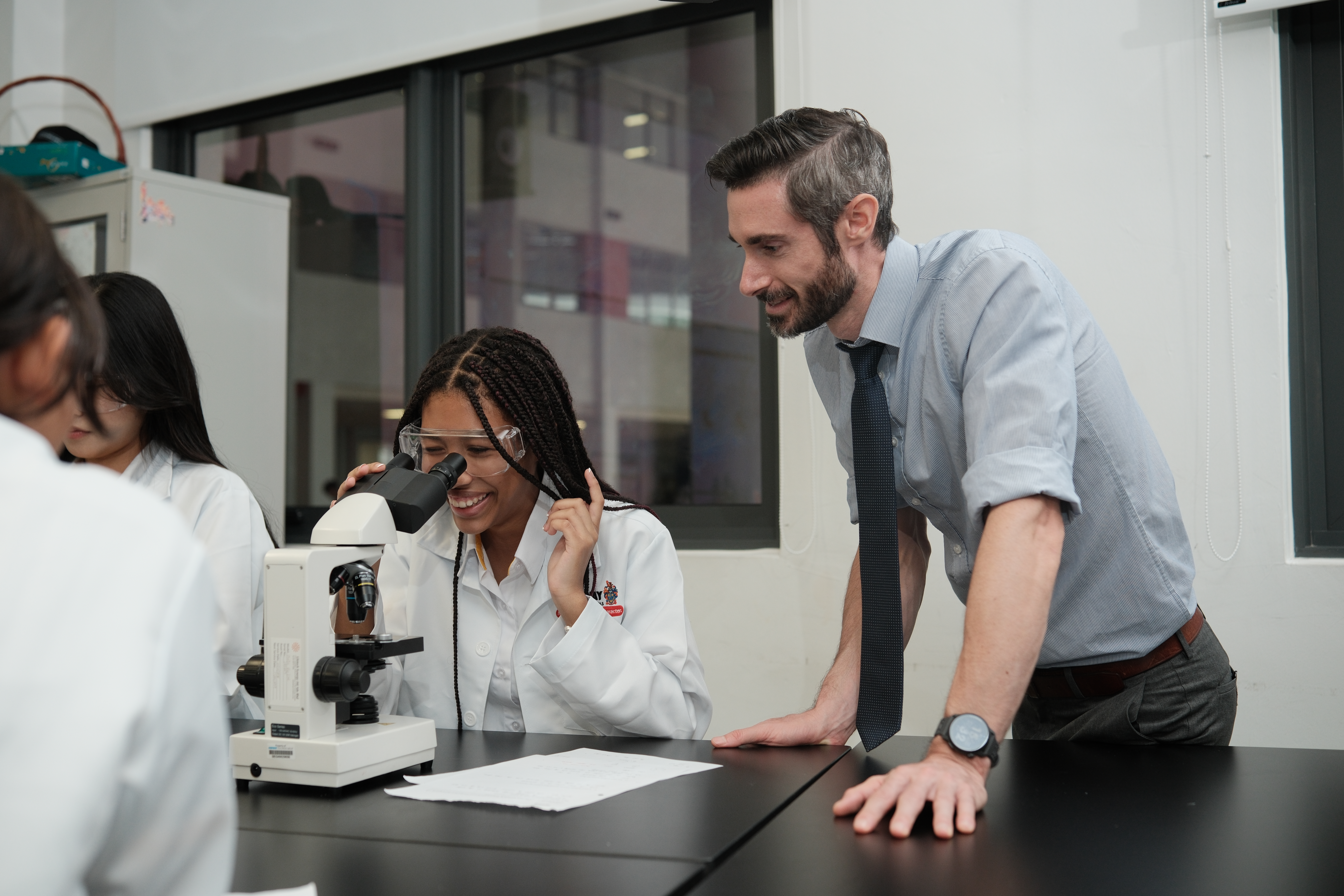
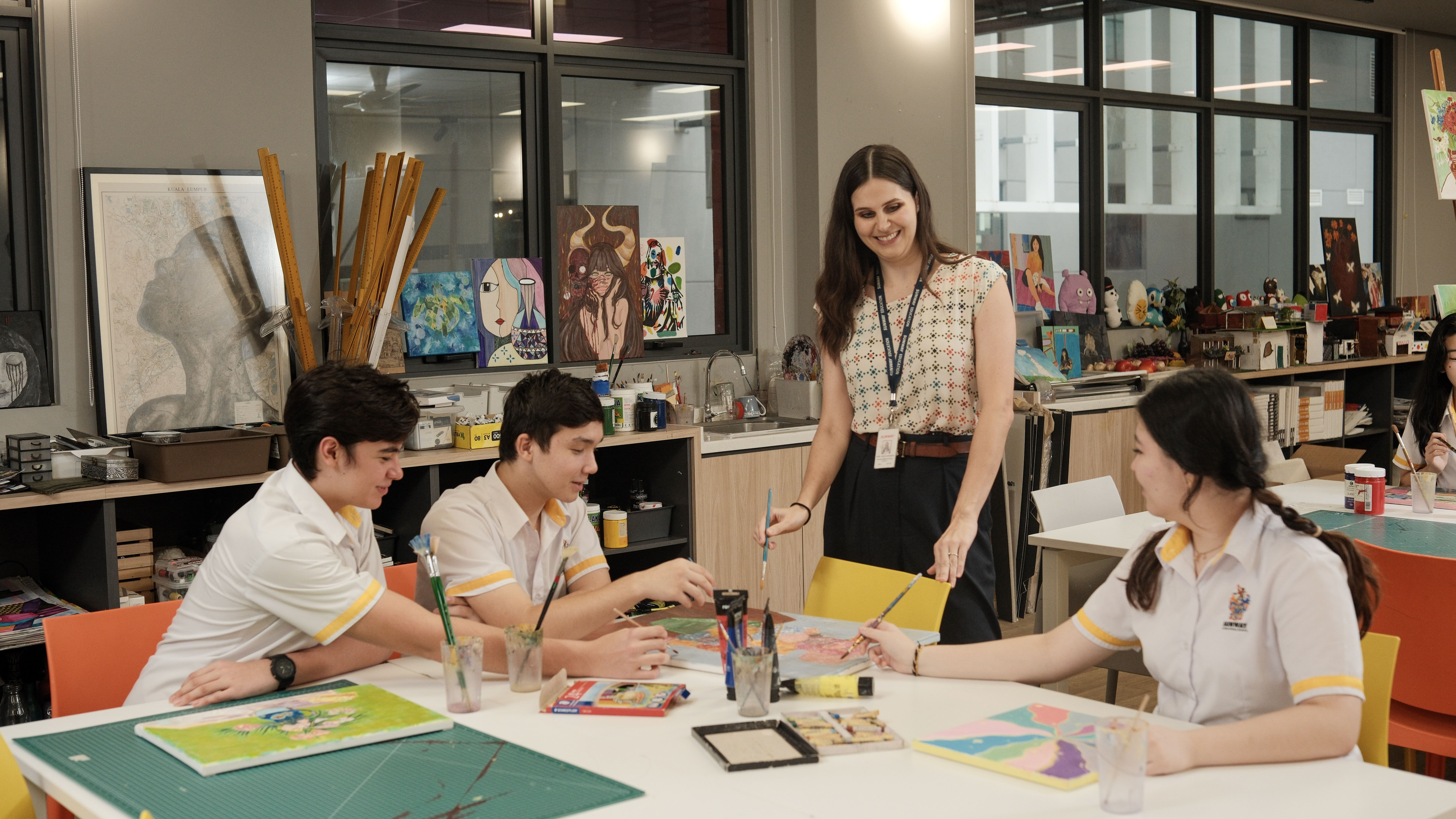
Students enjoy a learning process that takes them beyond the walls of their classroom. With a variety hands-on teaching and learning experiences, students can learn effectively in a manner that not only helps them retain the knowledge that have gained bur also understand, communicate and apply what they have learnt.
In today's world, technology has gone from being a tool to being an integral part of our daily lives. Rather than go against the currents of change, we guide our students to embrace-technology and become smart users that can navigate digital spaces safely.